Why Buying Less Clothing Is the Most Sustainable Choice
conscious consumption
Conscious Fashion
Sustainable
Here's something nobody wants to hear: the most sustainable t-shirt is the one already hanging in your closet.
I know, I know. That's not as exciting as discovering a new eco-friendly brand or finding the perfect vintage jeans. But it's the truth. We've been sold this idea that we can shop our way to sustainability, just buy organic cotton, choose recycled materials, support ethical brands. And while those things are better than fast fashion, they're missing the bigger picture.
The real game-changer? Just buying less stuff in the first place.
The Problem With Sustainable Shopping
Let's get one thing straight: sustainable fashion is better than regular fashion. If you're going to buy something new, choosing an ethical brand beats buying from a company with sketchy labor practices.
But here's the catch, even the most sustainable clothing still uses resources to make. Organic cotton still needs water (a lot of it). Recycled polyester still requires energy to process. Shipping that package to your door still creates emissions.
It's like choosing between a gas-guzzling SUV and a hybrid car. Sure, the hybrid is better, but walking or biking is even better for the environment. Same logic applies to clothes.
The fashion industry wants you to believe you need to constantly refresh your wardrobe to be sustainable. New season, new "eco-collection," new marketing campaign. But the most radical thing you can do? Stop buying so much.
How Much Clothing Do We Actually Buy?
The average person today buys 60% more clothing than they did 15 years ago. Sixty percent! And here's the kicker, we wear each item about half as long.
Think about that for a second. We're buying more but using things less. That's the definition of waste.
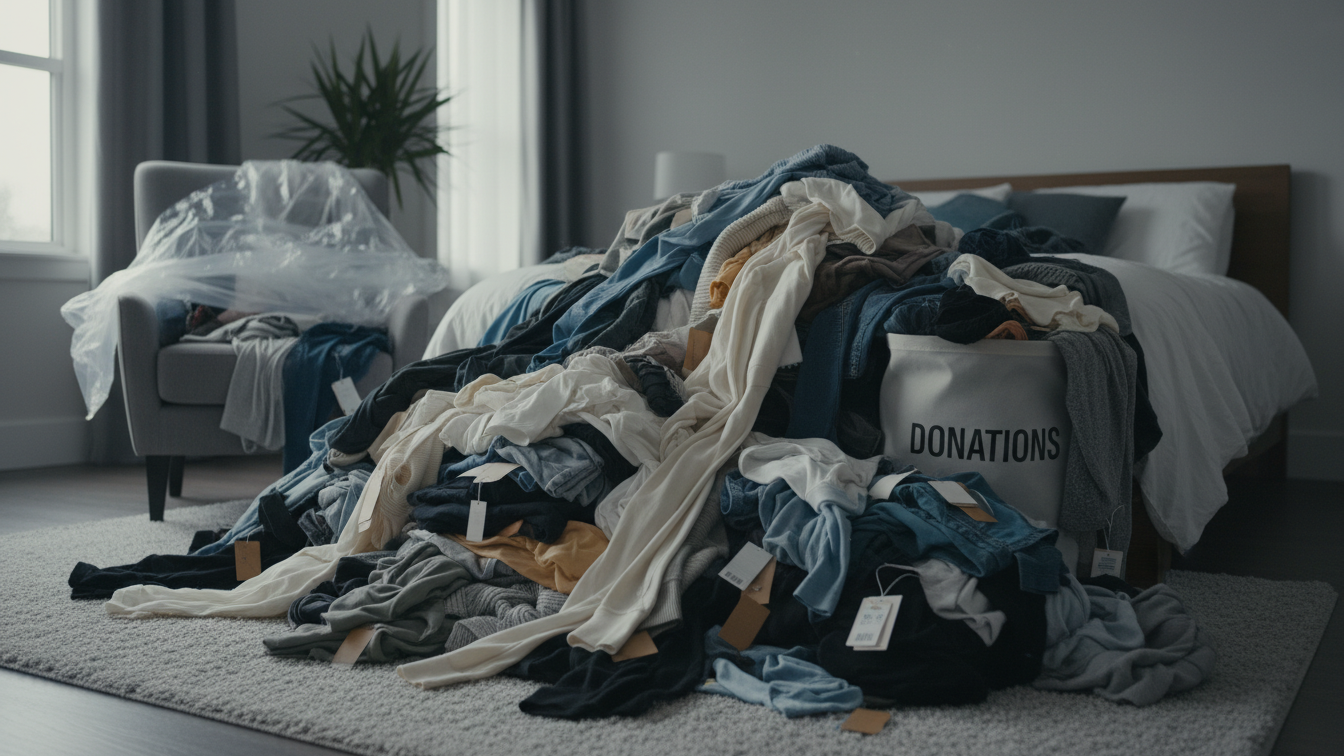
In the US, people buy an average of one new piece of clothing every week. That's 52 items a year. Even if you think you're not part of this statistic, check your own closet. How many things are in there with tags still on? How many items have you worn once or never?
Studies show that we wear only 20% of our wardrobe regularly. The other 80% just sits there, taking up space, making us feel guilty every time we open the closet door.
The Hidden Cost of Every Purchase
br>
Every piece of clothing has what's called a "footprint", the total impact it has on the planet from creation to disposal.
Here's what goes into making just one pair of jeans: Water: About 7,500 liters (enough for one person to drink for seven years)
Energy: Equivalent to driving a car for 80 miles Chemicals: Dyes, bleaches, and finishing treatments that often end up in rivers Carbon emissions:From growing cotton, manufacturing, and shipping Waste: Fabric scraps and packaging materials
Now multiply that by every item in your closet. Then multiply it by everyone on Earth doing the same thing. The numbers get scary fast.
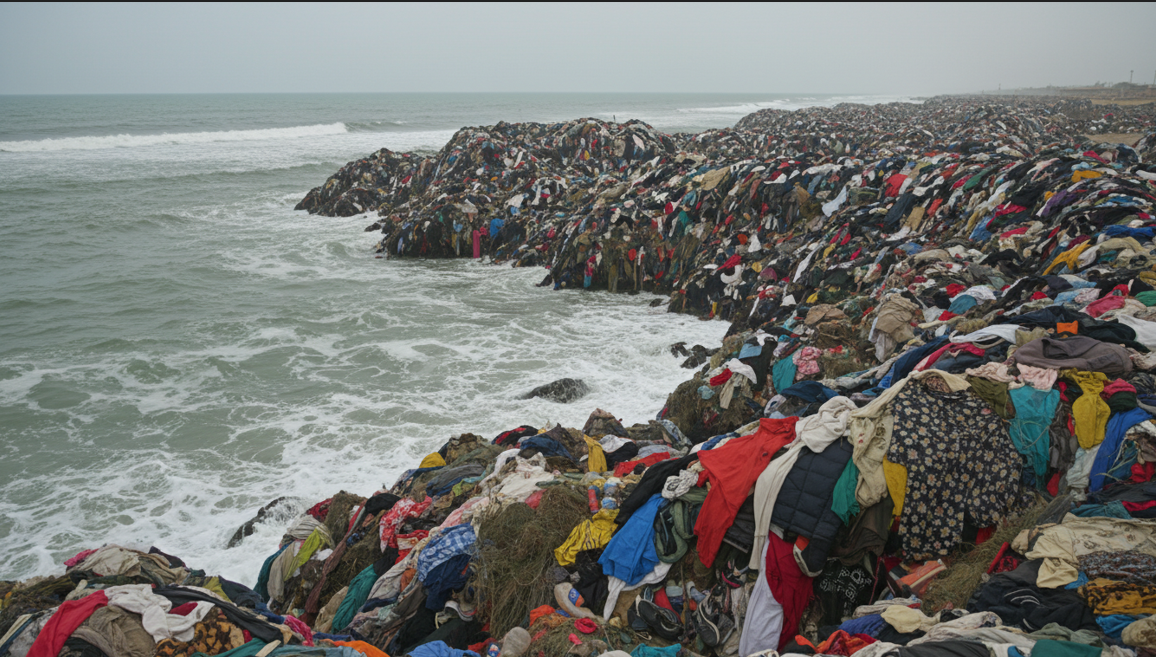
Even when you donate clothes you don't want anymore, most of it doesn't get resold. About 85% of textiles end up in landfills or incinerators. Only a small fraction actually makes it to thrift stores, and an even smaller amount gets bought.
Why We Keep Buying (Even When We Don't Need To)
If buying less is better, why is it so hard to actually do?
Companies spend billions making you feel like you need new clothes constantly. They use psychological tricks that work really, really well: FOMO (Fear of Missing Out): "Limited edition! Only 3 left in stock!" You panic and buy something you didn't even want five minutes ago. Trend cycles: Remember when everyone needed a specific style of jeans or a certain type of sneaker? By the time you saved up for them, the trend moved on. That's by design. Social media:Sales and discounts: "50% off!" feels like you're saving money, but you're not saving if you're buying something you wouldn't have bought at full price. The dopamine hit: Shopping gives your brain a little burst of happiness. It's temporary, but it's real. That's why "retail therapy" is a thing.
Companies know all this. They're not evil, but they're definitely not your friend. Their job is to sell you as much as possible.
The Math of Buying Less
Here's where buying less starts to make sense, even if you don't care much about the environment (though you should).
Let's say you typically buy 40 items a year at an average of $25 each. That's $1,000 spent on clothes annually.
Now imagine you cut that in half 20 items a year. You just saved $500. Use that money to buy higher quality pieces that actually last. A $60 pair of jeans that lasts five years beats three $20 pairs that each last one year.
Plus, you save time. No more endless scrolling through online stores. No more weekend shopping trips that eat up your whole Saturday. No more decision fatigue staring at a packed closet thinking you have nothing to wear.
Less stuff = less stress. It's that simple.
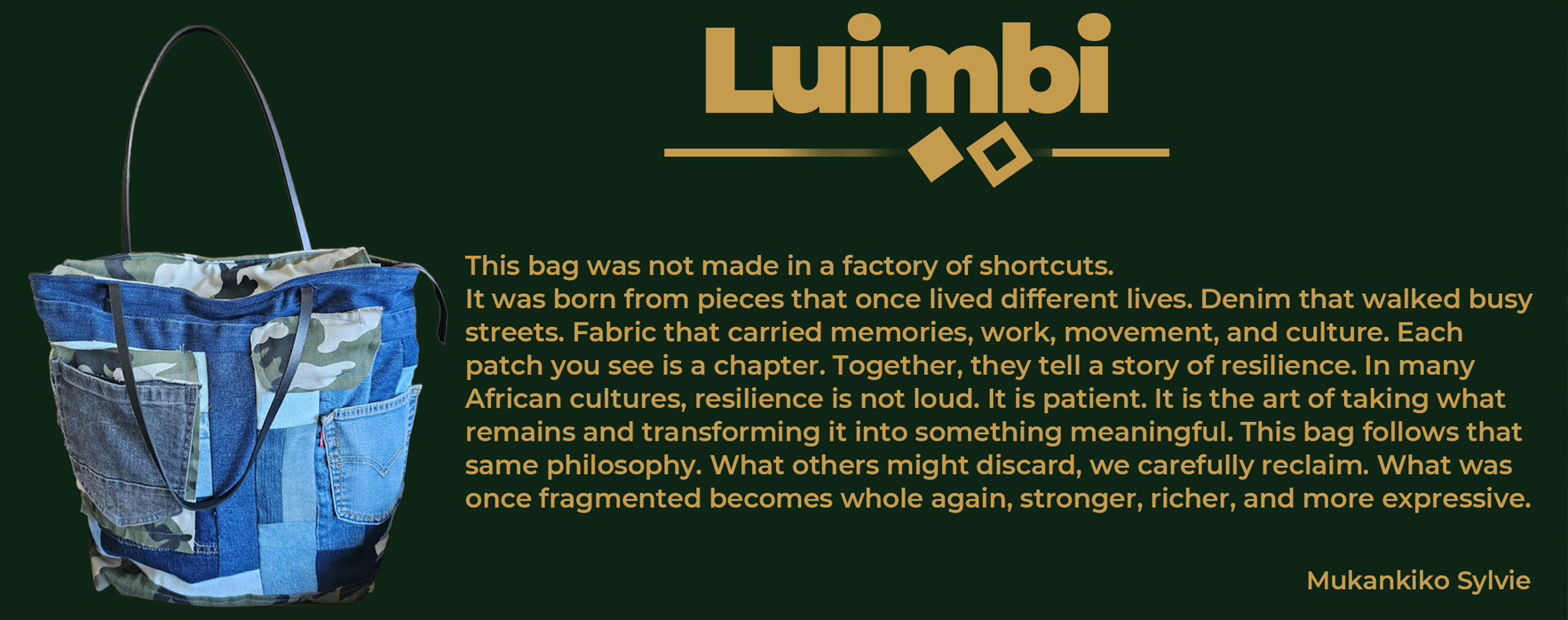
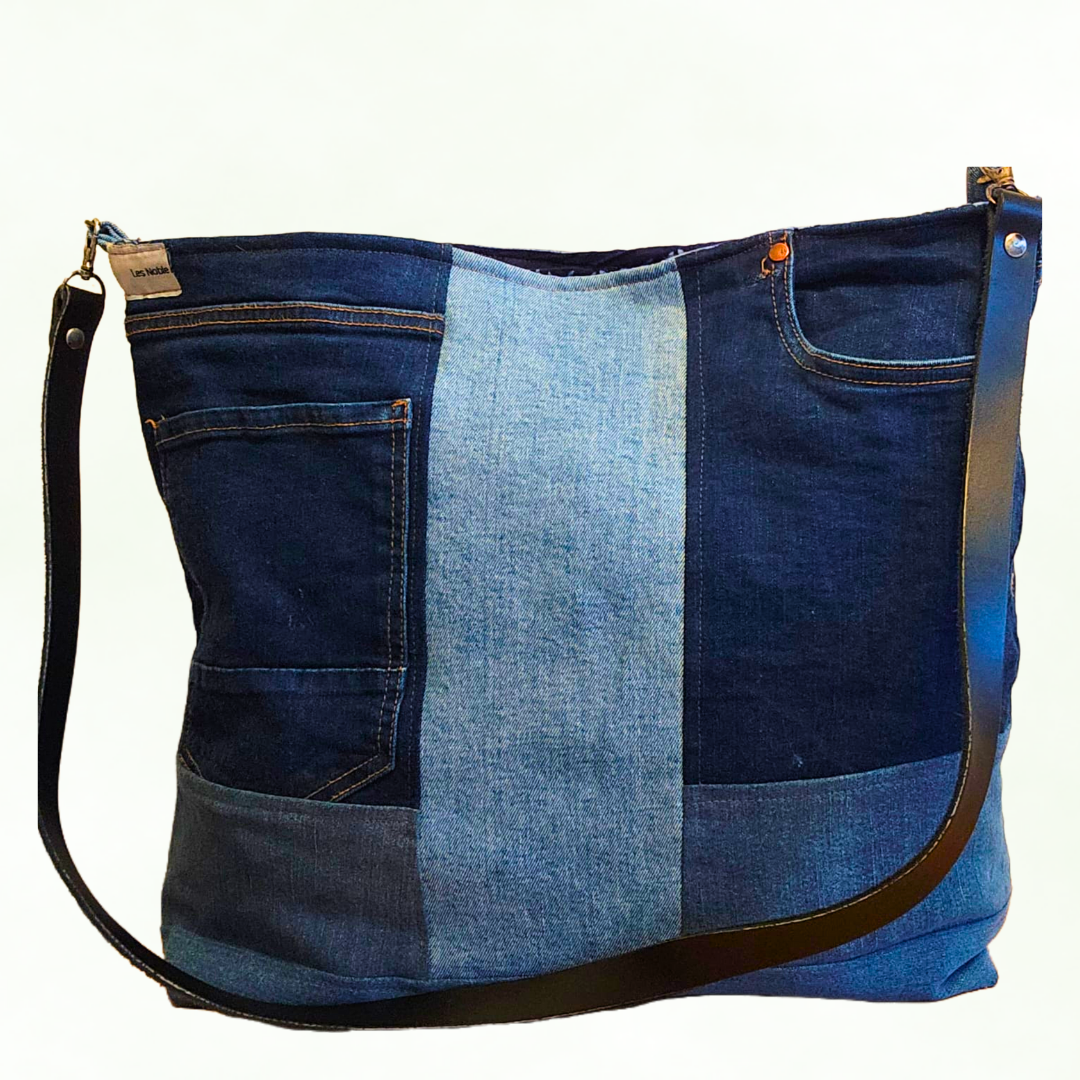
A signature Mukasy Collections bag crafted from restored denim.
What Buying Less Actually Looks Like
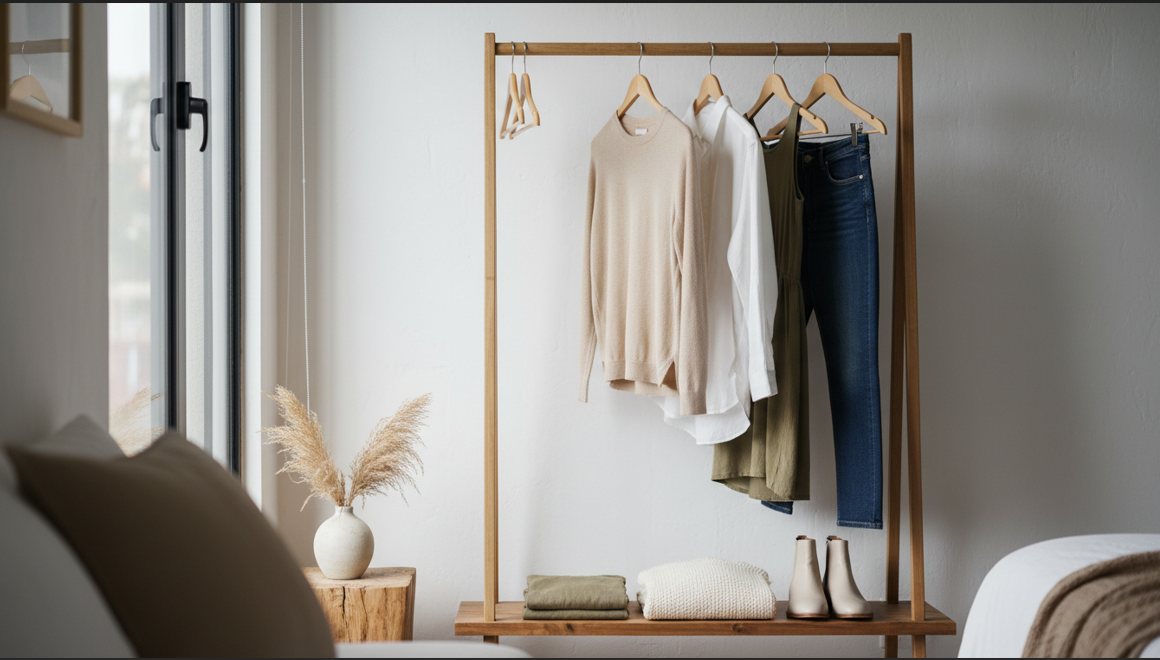
Okay, so how do you actually do this? It's not about never buying clothes again. It's about being intentional. The 30-wear rule: Before buying something, ask yourself: "Will I wear this at least 30 times?" If the answer is no, don't buy it. This single question eliminates impulse purchases instantly. The one-in-one-out rule: For every new item you bring home, remove one from your closet. This keeps your wardrobe from exploding and makes you think twice about purchases. The waiting period: See something you want? Wait 30 days. If you still want it and can explain why you need it, then consider buying. Most of the time, you'll forget about it completely. Shop your own closet: Spend an hour really looking at what you own. Try on combinations you've never worn together. You'll probably rediscover items you forgot existed. Track your purchases: Keep a list of everything you buy for three months. Seeing it written down makes you way more aware of your habits.
Addressing the "But What If..." Questions
"What if I actually need something?" You'll know. Needing winter boots because yours fell apart is different from wanting new boots because you saw them on Instagram. "What if there's a special event?" Rent, borrow, or shop your closet creatively first. If you absolutely need something, buy it, but make sure it's something you'll wear again. "What if I'm supporting small businesses?" Supporting ethical brands is great, but they'd rather you buy one quality piece you'll cherish than five things you don't need. Quality over quantity helps them too. "What if I gain or lose weight?" Keep a few basics in different sizes if that's a real concern, but don't buy a whole new wardrobe "just in case." Deal with it if and when it actually happens.
"What if my style changes?" It will, and that's fine. But building a flexible wardrobe with classic pieces means you won't need to replace everything when your style evolves.
The Ripple Effect of Your Choices
When you buy less, something interesting happens. You start caring more about what you do have.
You take better care of your clothes, washing them properly, fixing small tears, storing them correctly. Things last longer because you're invested in them.
You develop actual personal style instead of just following trends. You know what works for you because you've thought about it instead of just buying whatever's popular.
You become more creative with what you own. Styling the same pieces in different ways is actually way more impressive than buying new stuff constantly.
And here's the ripple effect: when your friends see you pulling off great outfits with the same core wardrobe, they start questioning their own shopping habits. Change spreads.
com
Save our planet by supporting Conscious Fashion
How to Handle the Urge to Shop
Let's be real, sometimes you just want to buy something. The urge hits and it feels overwhelming. Here's what actually works: Unsubscribe from marketing emails: If you're not seeing the sales, you're not tempted by them.
Unfollow fashion influencers: Or at least take a break. You don't need that constant stream of "new arrivals." Delete shopping apps: Make it harder to impulse buy by adding friction to the process. Find alternative dopamine hits: When you want to shop, do something else that makes you feel good, exercise, create something, call a friend, cook a new recipe. Calculate the "hours worked" cost: If you make $12/hour and that shirt costs $36, is it worth three hours of your life? Remember your goals: What are you saving for? A trip? College? A car? Every purchase moves you further from those goals.
When Buying IS the Right Choice
Sometimes you legitimately need to buy something. That's totally okay. The goal isn't to never shop again, it's to shop intentionally.
Buy when:
Something you use regularly is truly worn out and can't be repaired
Something you use regularly is truly worn out and can't be repaired
You've thought about it for at least a month and still want it
You can afford it without going into debt or dipping into savings
It aligns with your actual lifestyle, not an imaginary version of yourself
When you do buy, make it count. Choose quality, choose versatility, choose things you genuinely love.
The Bigger Picture
The fashion industry won't change because companies suddenly develop a conscience. It'll change because people like you stop feeding the system that's broken.
Every time you don't buy something you don't need, you're voting with your wallet. You're saying "I don't accept the idea that I need new clothes every season." You're saying "I value quality over quantity." You're saying "My worth isn't tied to how trendy my wardrobe is."
And yeah, one person buying less won't save the planet. But millions of people making slightly better choices? That changes everything.
Climate scientists are clear: we need to reduce consumption across the board. Fashion is just one piece, but it's a piece you have direct control over, three times a day, every time you get dressed.
Start Small, Start Now
You don't have to overhaul your entire relationship with shopping overnight. Pick one strategy from this article and try it for a month.
Maybe it's the 30-wear rule. Maybe it's unsubscribing from marketing emails. Maybe it's just actually wearing the clothes you already own instead of letting them collect dust.
The point isn't perfection. The point is being more intentional than you were yesterday.
Your closet doesn't need to be Instagram-perfect. It needs to be functional, filled with things you actually wear, and free from the guilt of waste.
The most sustainable piece of clothing isn't made from organic cotton or recycled materials. It's the one you already own, the one you wear until it falls apart, the one you care for and repair and get every bit of life out of.
That's not just sustainable fashion. That's being smart with your money, your time, and your planet.
So before you click "add to cart" next time, ask yourself: Do I really need this, or have I just been convinced that I do?
The answer to that question is more powerful than any eco-friendly shopping spree ever could be.
Loving our planet to the level that you can protect and fight for it is a must to every human being on this planet. And at Mukasy Collections we believe that one of the best way to do so, is buying fashion pieces consciously
Comments
conscious consumption
Why Buying Less Clothing Is the Most Sustainable Choice
Clothing Waste
What Happens to Clothes After You Throw Them Away?

Comments