
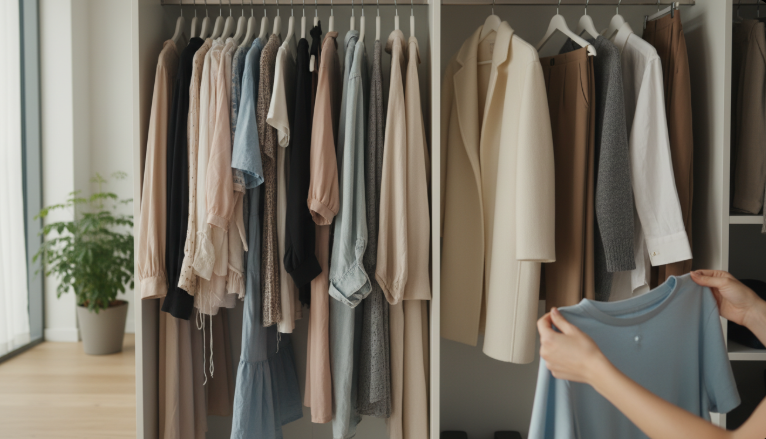
Last month, I did something that made me feel a little sick. I added up how much I spent on clothes in the past year. The number? $847. Then I looked at my closet. Half of those clothes were already falling apart, fading, or honestly, just sitting there unworn because they never fit quite right. That's when it hit me: I wasn't saving money with cheap fashion. I was hemorrhaging it. If you've ever wondered whether conscious fashion is "worth it" compared to those $10 tops from fast fashion stores, let me break down the real costs. And spoiler alert: it's not just about money. What Even Is Fast Fashion? Fast fashion is basically clothing made super quickly and cheaply to copy the latest runway trends. Think brands that release new styles every week, have rock-bottom prices, and make you feel like you're missing out if you don't buy now. The business model is simple: make it cheap, make it fast, make you want more. Conscious fashion (also called slow fashion or sustainable fashion) is the opposite. It's about quality over quantity, ethical production, and clothes that last years instead of months.
The Price Tag Showdown: Fast Fashion vs. Conscious Fashion Let's compare two white t-shirts: Fast Fashion T-Shirt: $8 Lasts about 10-15 washes before it loses shape Fades after a few months Probably needs replacing within 6 months Cost per year: $16 (if you buy 2) Conscious Fashion T-Shirt: $35 Lasts 3-5 years with proper care Maintains color and shape Gets softer over time Cost per year: $7-12 See what happened there? The "expensive" shirt actually costs less in the long run. I call this the "Cost Per Wear" method. If you wear that $35 shirt once a week for 3 years, that's about 156 wears. You're paying 22 cents per wear. The $8 shirt you replace twice a year and wear 30 times? That's 53 cents per wear. The math doesn't lie. The Hidden Costs You're Actually Paying But here's where it gets interesting. The price tag is only part of the story. Your Time Is Worth Something How many hours have you spent: Shopping for replacements because things fell apart? Returning items that looked nothing like the photos? Trying to fix cheap zippers or loose buttons? Feeling frustrated in your closet because nothing fits right? If you value your time at even $20/hour, those "bargain" shopping trips are costing you way more than you think.
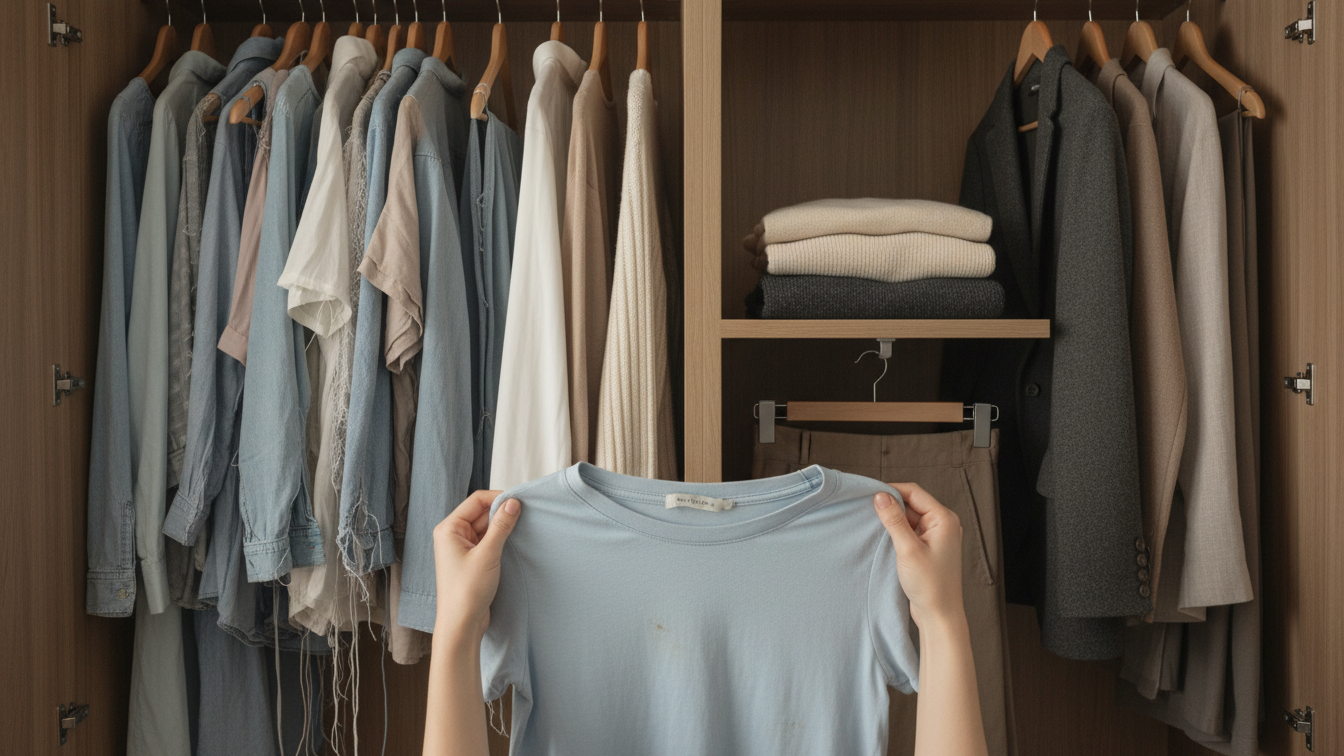
The Environmental Bill (That We All Pay Eventually) Fast fashion is one of the world's biggest polluters. Here's what your $8 shirt really costs the planet: Water: Making one cotton t-shirt uses about 2,700 liters of water (enough for one person to drink for 2.5 years) Chemicals: Most cheap clothing is soaked in toxic dyes and finishes that end up in rivers Waste: The average person throws away 37 kilograms of textiles per year Carbon: The fashion industry produces 10% of global carbon emissions When that cheap shirt falls apart in 6 months and ends up in a landfill, those environmental costs don't disappear. They just get passed on to everyone through climate change, water scarcity, and pollution. Conscious fashion brands typically: Use organic or recycled materials (way less water and chemicals) Produce in smaller batches (less waste) Create durable items that don't need replacing Often offset their carbon emissions The Human Cost This is the hardest one to talk about, but we need to. That $8 shirt? Someone made it. And if it only costs $8, think about how little that person was paid. Fast fashion relies on: Workers earning as little as $3 per day Unsafe working conditions (remember the factory collapses we hear about?) Child labor in some cases 14-16 hour workdays I'm not trying to guilt-trip you—I bought plenty of fast fashion before I learned this stuff. But once you know, it's hard to ignore. Conscious fashion brands pay fair wages, ensure safe conditions, and often build long-term relationships with their makers. When you buy from them, you're supporting families, not funding exploitation. The Quality Difference You Can Actually Feel I used to think expensive clothes were just about brand names. Then I held a HanoHub shirt next to my old fast fashion one. The difference was obvious: The fabric: Thicker, softer, more substantial The stitching: Straight lines, reinforced seams, no loose threads The fit: Actually designed for human bodies, not just cheap production The details: Real buttons that don't fall off, zippers that work, hems that don't unravel Good quality clothes feel different. They move with you, they breathe, they don't pill after one wash. You know that feeling when you put on your favorite old t-shirt that's been washed a hundred times and it's perfect? That's what quality feels like from day one.
But I Can't Afford to Buy Everything Sustainable! I get it. I really do. Not everyone can drop $100 on a pair of jeans. Here's what actually works: Start small and strategic: Replace items you wear most often first (underwear, basic tees, jeans) Buy one quality piece instead of three cheap ones Shop sales from conscious brands (they do have them!) Look for secondhand options—sustainable fashion lasts long enough to have a great resale market Stop buying stuff you don't need: The average person wears only 20% of their wardrobe regularly Before buying anything, ask: "Will I wear this 30 times?" Unfollow brands that make you feel like you need new stuff constantly Take care of what you have: Wash clothes less often (seriously, it makes them last longer) Air dry when possible Learn basic repairs or find a local tailor Store things properly What Makes HanoHub Different This is exactly why we created HanoHub. We were tired of the choice between "cheap but guilty" and "sustainable but unaffordable." At HanoHub, we make conscious fashion accessible by: Cutting out middlemen: We work directly with ethical manufacturers, so you're not paying retail markups Focusing on essentials: We make clothes you'll actually wear, not trendy pieces that'll be out of style next month Transparent pricing: We show you exactly where your money goes—materials, labor, our costs, everything Quality that lasts: Our pieces are designed to last 5+ years, not 5 months We're not perfect, and we're always learning. But we believe you shouldn't have to choose between your wallet, your values, and looking good. Have you made the switch from fast fashion to conscious fashion? What's been your experience? Or what's holding you back? Let's talk in the comments, I'd love to hear your honest thoughts!
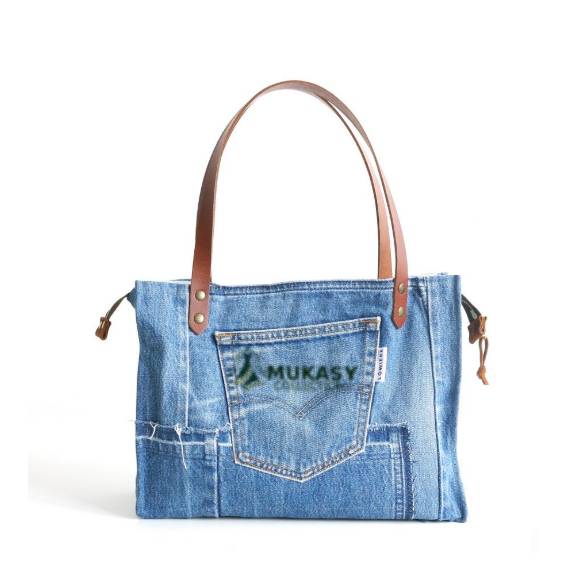
Loving our planet to the level that you can protect and fight for it is a must to every human being on this planet. And at Mukasy Collections we believe that one of the best way to do so, is buying fashion pieces consciously
Comments